What is a structural survey? A structural survey is a focused inspection of a building's load-bearing elements — foundations, walls, floors, beams and roof structure — by a structural engineer, producing a written report on defects, their likely cause and recommended action. It differs from a RICS Home Survey (Levels 1–3), which assesses overall property condition; the engineer's survey goes deeper on structural behaviour and is what lenders request when movement is flagged.
Structural survey vs homebuyer survey
The terminology trips everyone up. RICS Home Surveys — carried out by RICS-chartered building surveyors — come in three levels: Level 1 (condition report), Level 2 (homebuyer report) and Level 3 (building survey — historically nicknamed a "full structural survey", which it isn't). All are breadth-first condition surveys by building surveyors. A structural survey proper is depth-first: an engineer examining specific structural questions — why is this wall cracking, is this movement live, can this floor take that load.
They complement rather than compete. The common sequence for period property is Level 3 first; where it flags movement, a structural engineer's inspection second. Buying with a known structural question, you can go straight to the engineer.
What a structural survey covers
- Foundations — indirect evidence (movement patterns, exposure where visible); trial pits only where specifically arranged
- Walls — cracking, bowing, leaning, tie condition, lintels, alterations
- Floors — deflection, slope, spring, support alterations
- Roof structure — spread, altered members, conversion adequacy
- Movement evidence — crack mapping, distortion, historic vs live indicators
- Alterations — removed walls, chimney breasts, openings and their support
Scope is agreed up front: single-defect inspections are cheaper and faster than whole-building structural appraisals.
How much a structural survey costs
UK pricing clusters by scope. Single-issue inspections with a written report commonly run £250–£750 in London (often less outside it); whole-building structural appraisals of larger houses run into four figures; and investigations adding monitoring, drainage surveys or trial pits are priced per component. Fees are always confirmed by the appointed professional before booking — treat every figure here as indicative planning guidance, not a quotation.
Price drivers: property size and access, number of separate defects, reporting depth (lender-format reports take longer), and whether physical investigation is needed.
The process, step by step
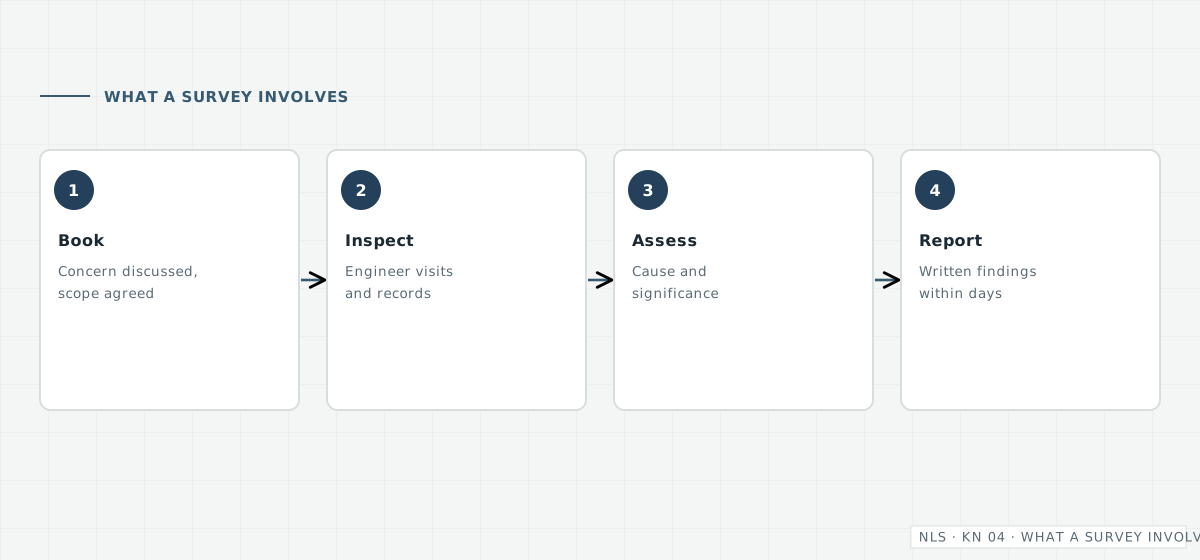
- Triage — describe the property and concern; scope and fee are agreed.
- Inspection — typically 1–3 hours on site for a house; the engineer examines, measures and photographs.
- Analysis — findings are read against construction type, age and site context.
- Report — usually within a few working days: observations, cause, significance, recommendations.
- Next steps — no action, monitoring, repair specification, or further investigation, as the evidence dictates.
Do you actually need one?
Strong yes-cases: a valuation or Level 2/3 survey mentions movement; visible cracking is diagonal, wider than ~5mm, or recurring; floors slope or bounce; an alteration lacks paperwork; a lender or insurer has asked. Weak cases: hairline decorative cracking in a modern house with no other symptoms — monitor first, inspect if it changes.
The economics are lopsided: a few hundred pounds of inspection by an IStructE or ICE-chartered engineer routinely resolves negotiations worth thousands, and 'surveyed and documented' is itself a saleable asset later.
This guide provides general information only and is not formal structural advice for any specific property. The cause of movement or damage should always be established by proper professional assessment before repairs are commissioned.