What is subsidence? Subsidence is the downward movement of the ground supporting a building, causing the structure to move and crack. In the UK it is most associated with shrinkable clay soils that lose volume in dry weather — especially where trees extract moisture — and with leaking drains eroding or softening ground. It differs from settlement (normal early bedding-in) and heave (ground swelling upward). Most confirmed cases are resolved by fixing the cause, not by underpinning.
Recognising the signs
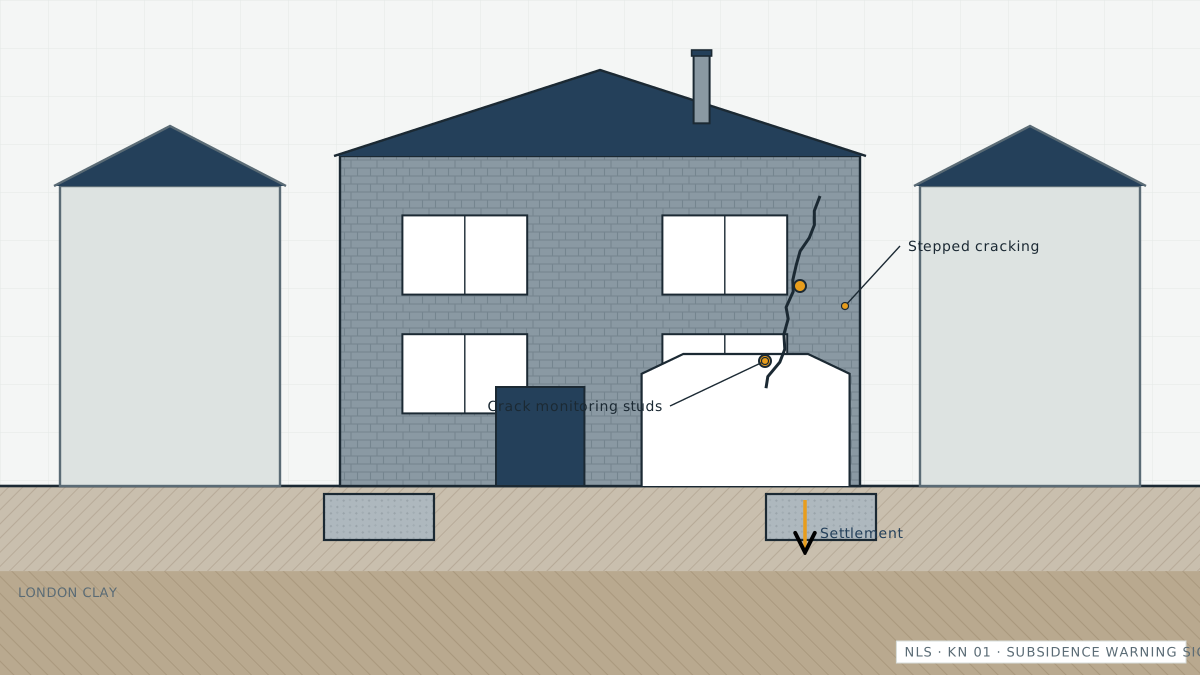
- Diagonal cracks, typically wider at the top, often near doors and windows
- Cracks appearing or widening after prolonged dry weather
- Cracks visible both inside and outside at the same spot
- Doors and windows sticking or dropping out of square
- Rippling wallpaper at wall–ceiling junctions; gaps at skirtings
- Extensions or bays parting from the main structure
None of these confirm subsidence — thermal movement and settlement mimic them — but together and progressing, they justify assessment.
What causes it
Clay shrinkage dominates the UK caseload: shrinkable clays (London Clay prominently, mapped by the British Geological Survey as highly to extremely shrinkable across much of North London) lose moisture and volume in dry spells, and shallow foundations follow the ground down. Trees amplify it — high-demand species (oak, poplar, willow, plane) dry clay to depth within roughly 10–20 metres of shallow footings. Leaking drains are the other lead cause, softening clay and washing out granular soils. Rarer causes include mining legacy, made ground consolidating, and washout from major water leaks.
Investigation and monitoring
Proper investigation runs cause-first: an engineer assesses whether the damage pattern fits subsidence, then tests candidate causes — CCTV drainage survey, trial pits to expose foundations and soil, root identification. Where progression must be proven, crack monitoring over months (ideally spanning a seasonal cycle) distinguishes live subsidence from seasonal cycling. It feels slow; it is what prevents both under- and over-treatment.
The insurance position
UK buildings insurance ordinarily covers subsidence damage, typically with a £1,000 excess. Insurers fund investigation and proportionate remedy for valid claims. Considerations before claiming: minor cause-fixable cases (a drain repair) may cost near the excess while a claim creates a permanent disclosure; conversely, genuine progressive movement is exactly what the cover exists for. Claims history and premiums are affected either way — independent advice before deciding is worth its cost.
Repair: cause first, underpinning last
The industry's consistent experience is that most subsidence cases do not need underpinning. Standard sequence: remove the cause (repair drains, manage vegetation), allow stabilisation, confirm by monitoring, then repair the damage — crack stitching, repointing, redecoration. Underpinning is reserved for movement that continues after cause-removal or foundations fundamentally inadequate for their ground. Beware of any diagnosis that starts with an underpinning quote.
Buying and selling with subsidence history
A diagnosed, remedied and documented subsidence episode is a resolved defect: mainstream lenders lend, insurers insure (sometimes via the incumbent insurer's continuation), and buyers price normally when the file is complete. What poisons transactions is the undiagnosed crack or the undocumented past repair. Keep — or as a buyer, demand — the full paper trail: investigation reports, remedy records, monitoring results, any certificate of structural adequacy.
This guide provides general information only and is not formal structural advice for any specific property. The cause of movement or damage should always be established by proper professional assessment before repairs are commissioned.