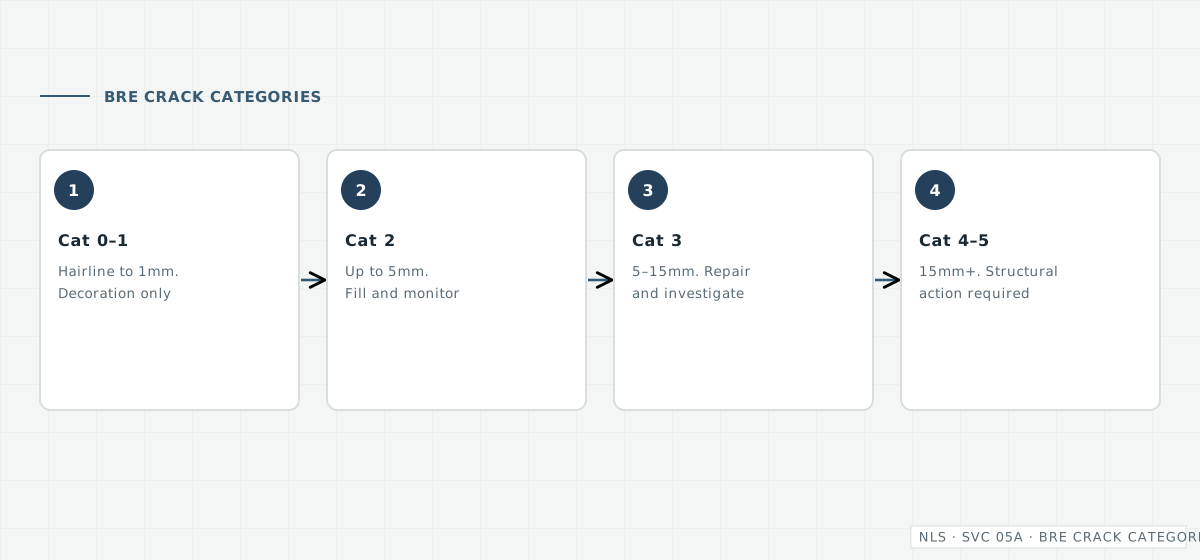
When should I worry about cracks in walls? As a rule of thumb, hairline cracks under about 1mm are usually cosmetic. Cracks around 1–5mm deserve attention, especially if diagonal, recurring or near openings. Cracks wider than 5mm, cracks you can see daylight through, stepped cracking in brickwork, or cracks accompanied by sticking doors and sloping floors warrant professional assessment. Width matters less than pattern, position and whether the crack is changing.
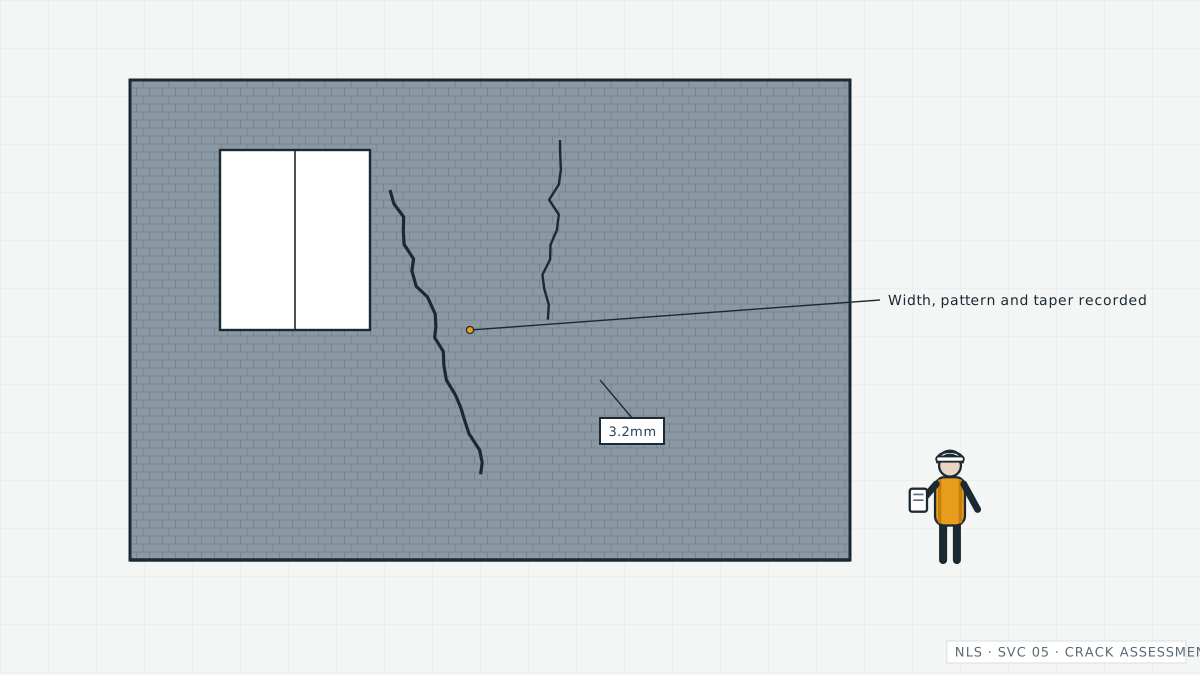
"Cracks in walls" is one of the most searched property worries in the UK, and for good reason: the same visual symptom can mean anything from plaster shrinkage to active subsidence. The Building Research Establishment's damage categories (0–5) grade cracking from negligible hairlines to severe structural damage, and an assessment places your cracking on that scale with a cause attached.
The value of an assessment is as much in what it rules out as what it finds. A documented "Category 1, historic, no action required" ends the anxiety — and protects a future sale.
When is this service needed?
- A new crack has appeared and you want to know if it matters
- An old crack has reopened or extended after being filled
- Cracking coincides with sticking doors, sloping floors or gaps at skirtings
- A buyer, surveyor or insurer has queried visible cracking
- Cracks have appeared after nearby building work, a loft conversion or wall removal
- You want a documented baseline before starting your own building work
Warning signs to look for
- Diagonal cracks running from the corners of doors and windows
- Stepped cracking following mortar joints in brickwork
- Horizontal cracking along a wall — potentially wall-tie or lateral-load related
- Vertical cracks at the junction of an extension and the original house
- Cracks mirrored on both faces of a wall
- Ceiling cracks with sagging, especially under a converted loft
How the assessment process works
Describe and photograph
Tell us where the crack is, when it appeared, and whether it is changing. Our photo checklist shows what to capture.
Inspection
The appointed engineer examines width, direction, taper, position and both faces of the wall, plus related symptoms across the property.
Classification and cause
Cracking is graded (BRE categories) and attributed to a likely cause: thermal, shrinkage, settlement, subsidence, overloading, or alteration-related.
Recommendation
You receive a written opinion: monitor, repair cosmetically, investigate further, or remediate the cause — with the reasoning explained.
What you typically receive
- A written crack assessment with severity classification
- Likely cause and whether movement appears historic or ongoing
- Photographs and crack mapping
- Monitoring recommendations where movement must be tracked
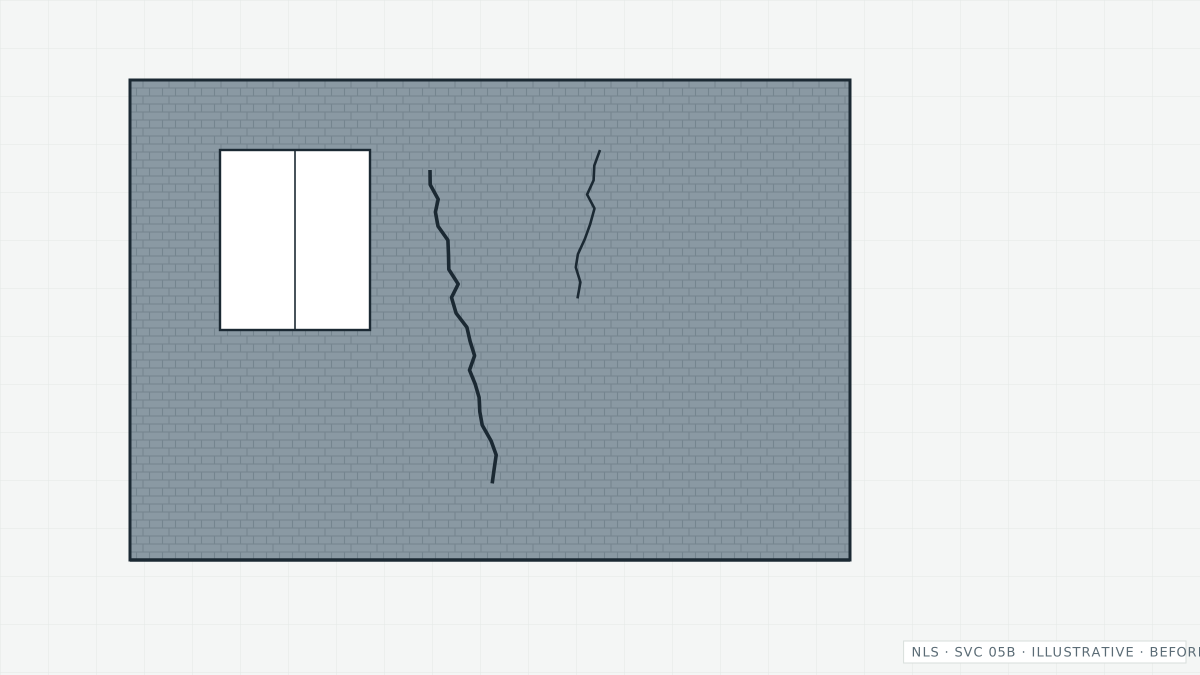
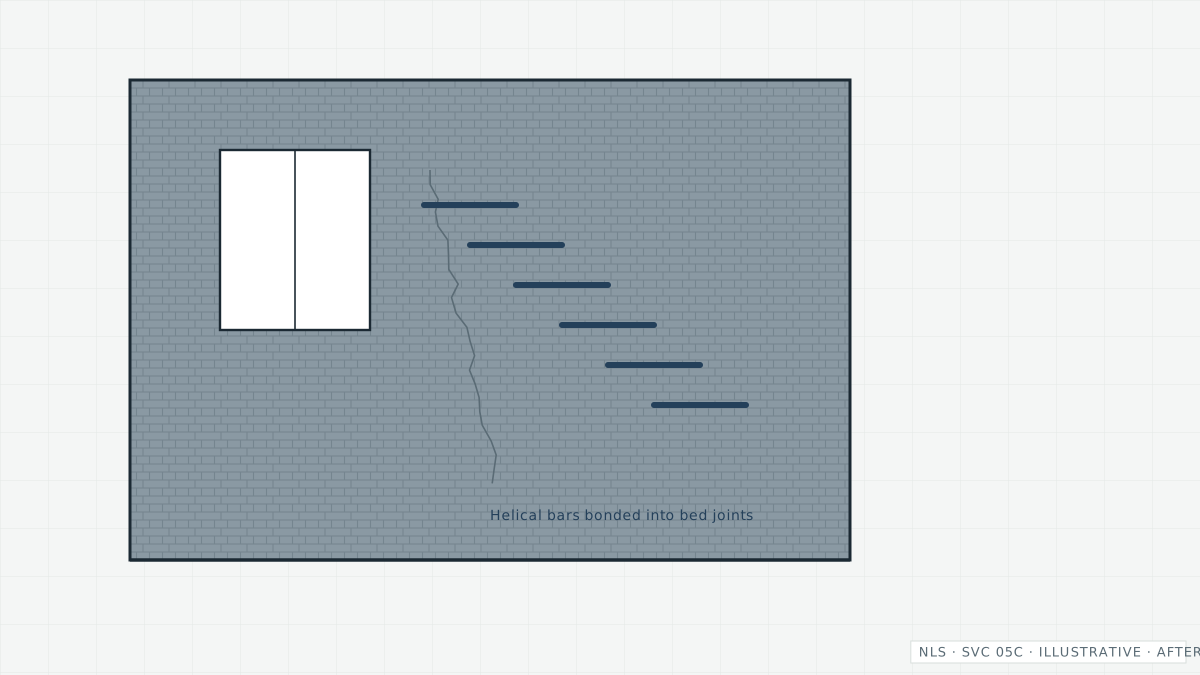
- A repair approach once the cause is settled
Cost of a crack assessment
A single-location crack inspection with a short written opinion typically starts from around £200–£450 in London; whole-property crack surveys and cases requiring monitoring cost more. Fees are confirmed by the appointed professional before booking. Filling a structural crack without diagnosis costs less today and far more later.
Who this service is for
- Homeowners with a new or growing crack
- Buyers and sellers responding to survey comments
- Landlords with tenant-reported cracking
- Owners of recently altered properties
- Neighbours of demolition, basement or extension works
North London property context
North London's solid-wall Victorian and Edwardian terraces crack differently from modern cavity construction: lime mortars accommodate slow movement, party walls transmit alterations next door, and heavy bay fronts on shallow footings are a classic movement point from Crouch End to West Hampstead. Clay shrinkage cracking peaks in late summer. An engineer familiar with this stock reads those patterns quickly.