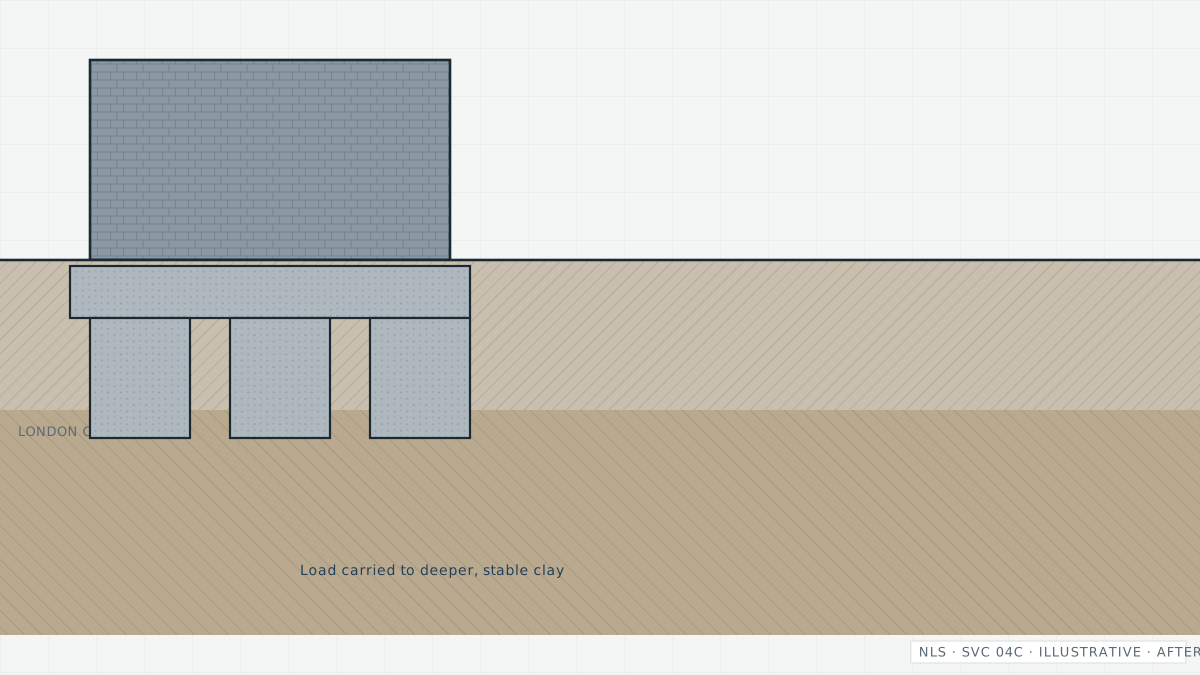
How are foundations repaired? Options range from removing the cause (repairing leaking drains, managing trees) and simply repairing superstructure damage, through crack stitching and localised repairs, to ground improvement such as resin injection, and finally underpinning — mass concrete, beam-and-base or piled — for the minority of cases where the foundation itself must be strengthened or deepened. The correct option follows from investigation, never from the crack alone.
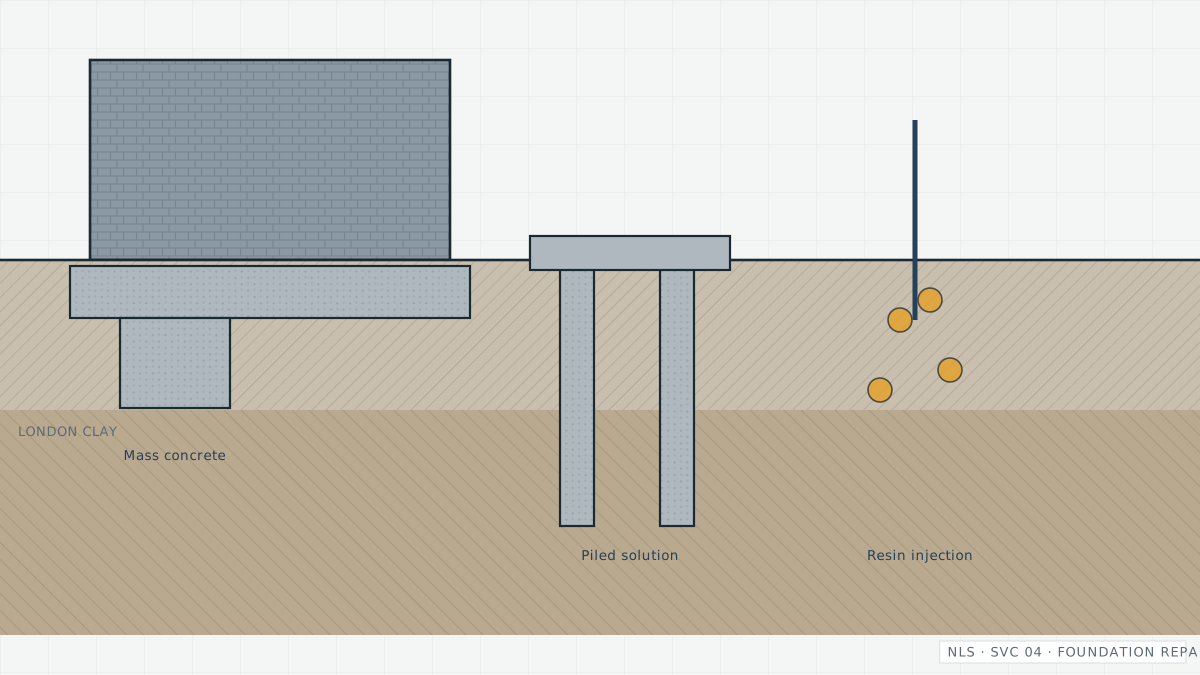
Foundation repair attracts more mis-selling than almost any other building service. Homeowners frightened by cracks are quoted for underpinning they may not need; conversely, cosmetic repairs are sold where a real foundation problem exists. The protection against both is the same: an independent assessment that establishes cause, severity and the proportionate remedy before any contractor prices the work.
When is this service needed?
- Investigation has confirmed foundation movement (subsidence, settlement or heave)
- Cracking keeps returning after repair because the cause was never addressed
- A property is being extended and the existing foundations are inadequate for the new loads
- An insurer's remedy proposal needs an independent second opinion
- You have been quoted for underpinning and want to know if it is really necessary
Warning signs to look for
- Confirmed progressive movement from monitoring
- Diagonal cracking recurring after previous repairs
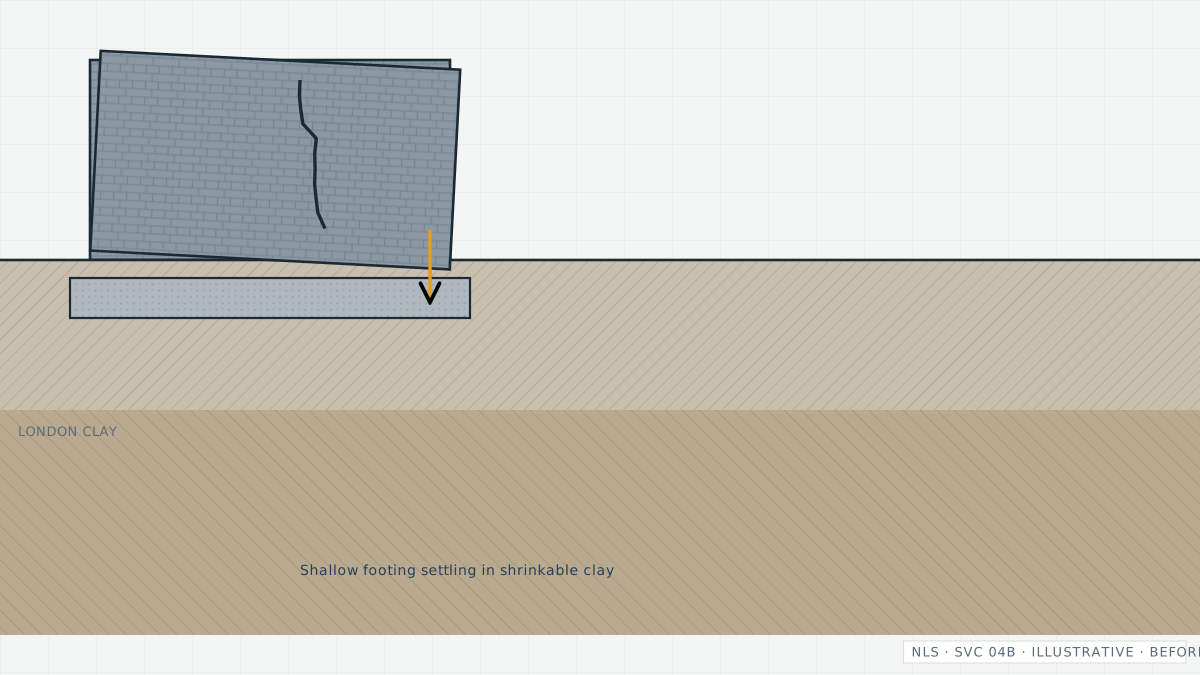
- Distinct dropping of one corner or bay of the building
- Foundation exposure showing inadequate depth for nearby trees on clay
- Extension foundations pulling away from the main house
How the assessment process works
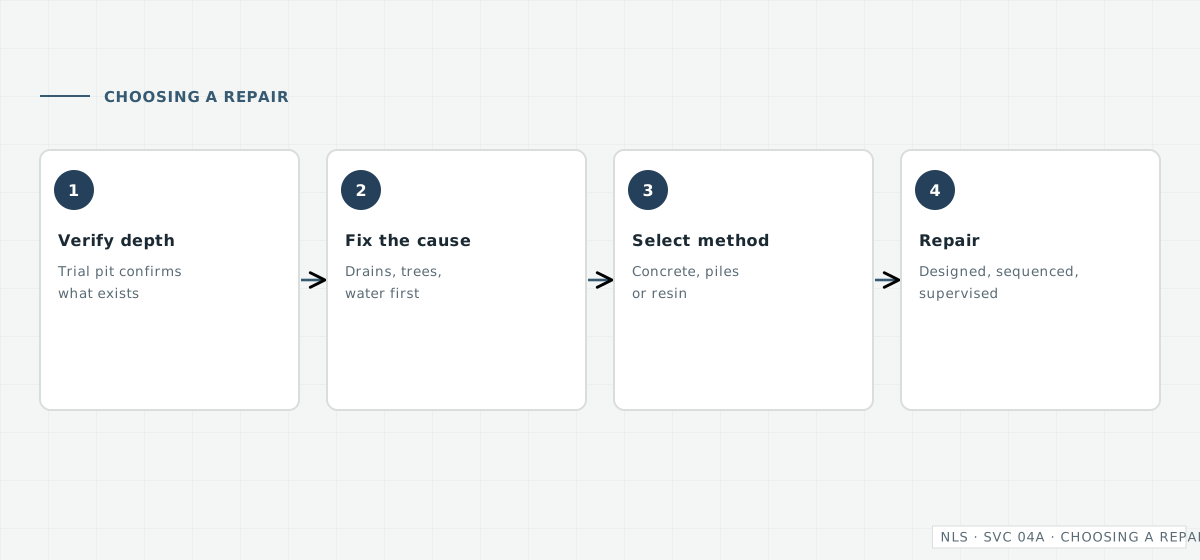
Cause first
Investigation (drains, trial pits, monitoring) establishes why movement is happening. Removing the cause is frequently the whole solution.
Option appraisal
Where repair is needed, options are compared for effectiveness, disruption, cost and insurability — from crack stitching to resin injection to underpinning.
Specification
The chosen repair is specified so contractors price the same defined scope — protecting you from quote inflation.
Verification
After works, condition is verified and documented, giving you the paper trail future buyers and insurers will ask for.
What you typically receive
- An independent view on whether foundation repair is actually required
- A comparison of proportionate repair options
- A repair specification contractors can price against
- Documentation of the completed remedy for insurers and future sales
Foundation repair costs
| Remedy | Typical indicative range | When used |
|---|---|---|
| Drain repair + superstructure repair | £2,000–£8,000 | Leaking drains caused localised washout or clay softening |
| Crack stitching & repointing | £500–£3,000 | Stable, historic movement; masonry restraint needed |
| Resin injection ground improvement | £5,000–£15,000+ | Suitable soils; faster, less disruptive alternative in some cases |
| Traditional/piled underpinning | £10,000–£50,000+ | Confirmed inadequate foundations; minority of cases |
These are indicative planning ranges only, not quotations. Use the foundation repair cost estimator for a scenario-based range, then obtain an assessment before approaching contractors.
Who this service is for
- Owners with diagnosed foundation movement
- Policyholders reviewing an insurer's proposed remedy
- Anyone quoted for underpinning without investigation
- Extenders whose existing footings need appraisal
- Buyers pricing a property with known movement
North London property context
On North London clay, the most common "foundation repair" is actually a drain repair: Victorian clay pipes crack, leak, soften or wash out the supporting soil, and the foundation follows. The second most common is tree-related clay shrinkage. Both are cheaper to fix than the underpinning that is sometimes reflexively quoted — which is why cause-first assessment is the standing rule across Barnet, Enfield, Haringey and the rest of the coverage area.