What is a structural engineer report? It is a written document, produced after an inspection by a structural engineer, that records the condition of specific structural elements, identifies the likely cause of any defect, states whether the issue is significant, and sets out recommendations. Reports are commonly required by mortgage lenders after a valuation flags movement, by buyers during conveyancing, and by builders before repairs or alterations.
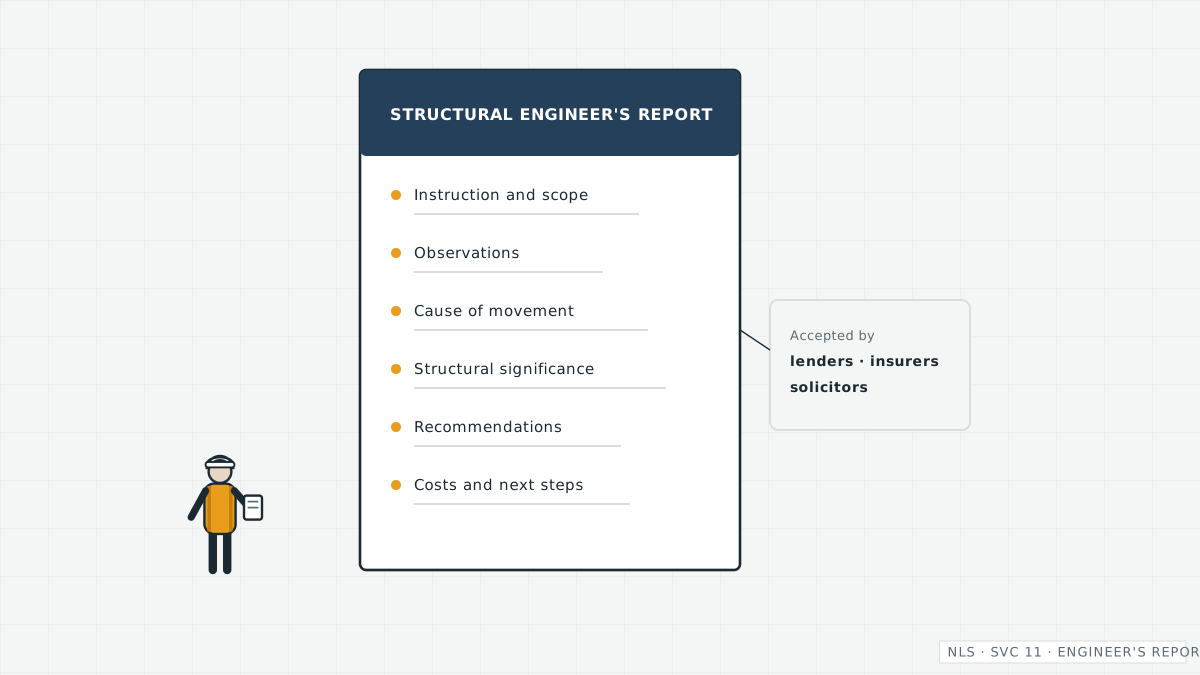
Reports are usually the reason a structural engineer is called in the first place. A lender withholds a mortgage offer pending "a structural engineer's report on the cracking to the rear elevation". A buyer's solicitor asks for evidence that a removed wall was properly supported. An insurer wants an independent opinion before a subsidence claim proceeds. In each case the report — not the inspection alone — is the deliverable that unlocks the next step.
When is this service needed?
- A mortgage valuation has been made subject to a structural engineer's report
- A buyer or their solicitor has requested evidence about cracking, movement or an alteration
- You are selling and want to neutralise a structural question before it kills the sale
- Building control or a warranty provider needs confirmation of structural adequacy
- An insurer requires an independent engineering opinion
- You need a documented baseline before starting building work next to a defect
Warning signs to look for
- Valuation report notes 'movement — refer to structural engineer'
- Solicitors' enquiries mention cracking or past underpinning
- No completion certificates for a removed load-bearing wall
- Insurance renewal asks about subsidence history
- A sale is stalling on an unanswered structural question
How the assessment process works
Define the question
The scope is agreed first: which element, which defect, and who the report needs to satisfy (lender, buyer, insurer, building control).
Inspection
The appointed engineer inspects the relevant elements and gathers the evidence a formal report requires — measurements, crack mapping, photographs.
Reporting
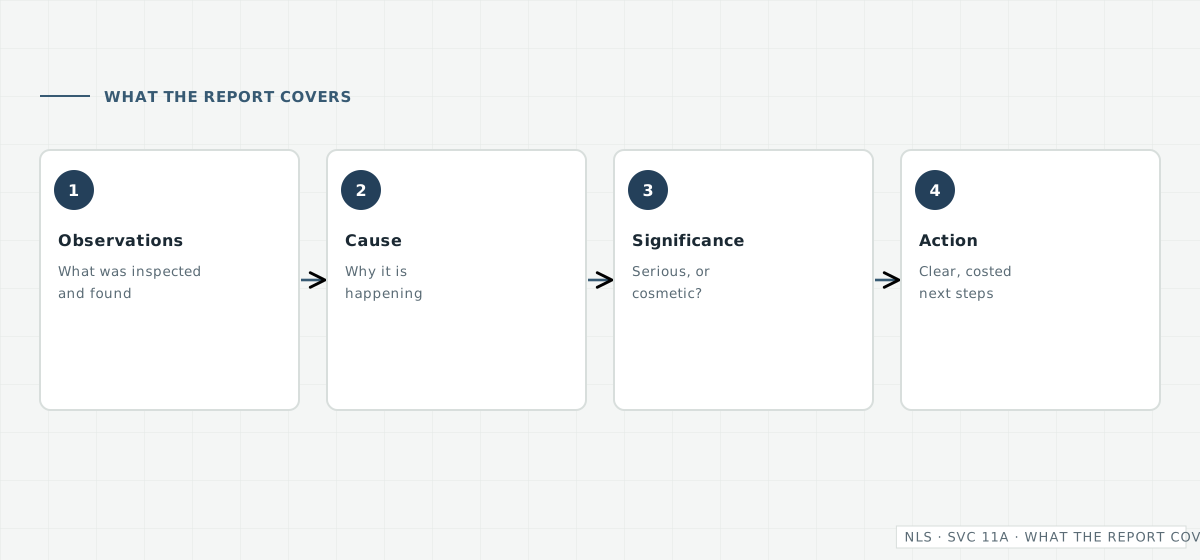
A formal written report is prepared: observations, probable cause, significance, and clear recommendations.
Follow-through
Where the report recommends monitoring, investigation or repair, it sets out what that involves so the next step is obvious.
What you typically receive
- A formal, signed written report addressed for its intended use
- Photographic evidence and defect descriptions
- Cause, significance and risk commentary in plain English
- Specific recommendations with a clear next step
- A document suitable to pass to lenders, solicitors, insurers or contractors
Typical cost of a structural engineer report
A single-defect inspection and report in London commonly falls in the region of £250–£600; reports covering multiple issues, larger properties, or lender-specific formats cost more. The appointed professional will confirm the fee and turnaround before you commit. Where movement needs to be proven stable, allow for the possibility of monitoring over several months before a definitive report can be issued.
Who this service is for
- Buyers whose mortgage offer depends on an engineer's report
- Sellers responding to a survey flag
- Homeowners documenting a defect before repair
- Landlords evidencing due diligence
- Solicitors and estate agents progressing transactions
North London property context
In North London conveyancing, engineer's reports most often concern cracking in Victorian solid-wall terraces, undocumented chimney breast removals in converted flats around Islington, Camden and Kentish Town, and questions about historic movement in clay-heavy areas such as Barnet, Finchley and Enfield. A clear report frequently keeps a sale alive that a vague survey comment would otherwise sink.