Why do walls bulge or lean? Common causes include corroded cavity wall ties (horizontal cracking plus outward bowing), roof spread pushing the tops of walls outward, loss of lateral restraint after floor or wall alterations, thermal ratcheting of long unrestrained walls, foundation movement, and simple long-term creep in old solid masonry. Each has a distinct signature and a different remedy — from remedial ties and restraint straps to rebuilding — so diagnosis drives everything.
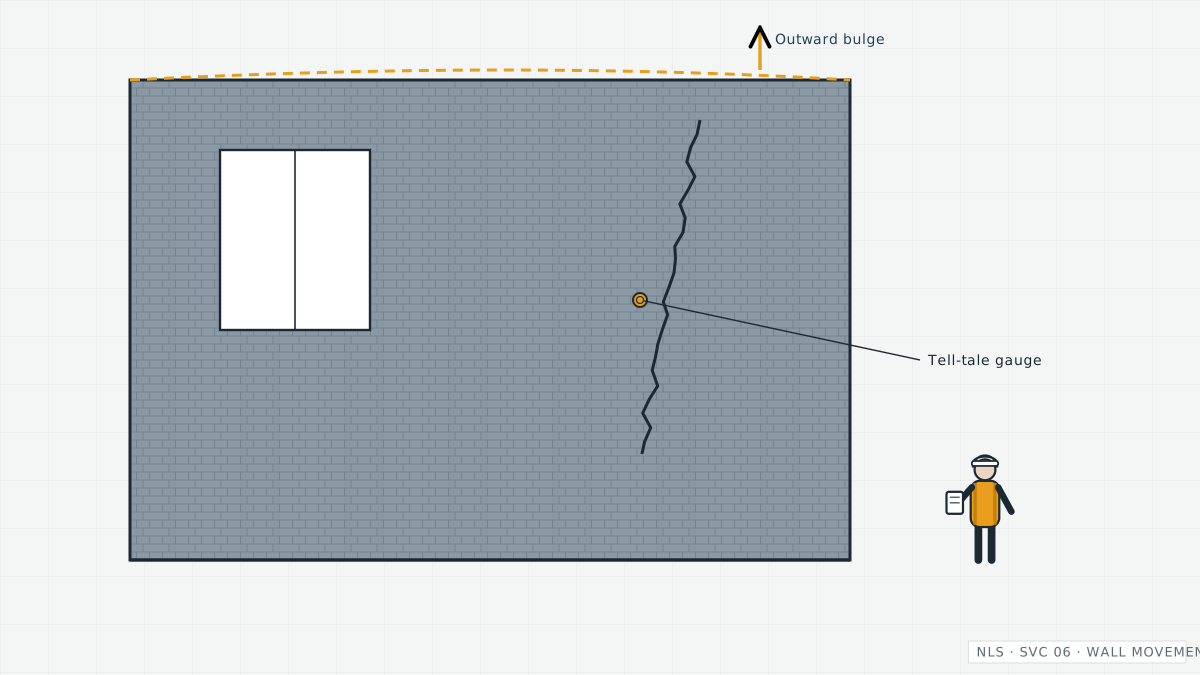
Not all movement points downward. A wall leaning at its head, a bulge at mid-height, a horizontal crack line along a mortar bed — these describe lateral mechanisms that foundation-focused thinking misses entirely. Wall movement investigation reads the geometry: where the wall has moved, in which direction, and what changed to let it happen. In North London's older stock, the usual suspects are century-old restraint details, altered roofs, and — in interwar cavity housing — corroding steel wall ties.
When is this service needed?
- A wall visibly leans, bulges or bows
- Horizontal cracking runs along mortar courses
- Gaps have opened between walls and floors or ceilings inside
- A surveyor has reported walls out of plumb
- Roof alterations or wall removals preceded the movement
- Tie bars or pattress plates on neighbouring houses suggest a street-wide history
Warning signs to look for
- Bulging brickwork visible when sighting along the wall
- Horizontal cracks at regular vertical spacing (classic tie corrosion)
- Walls parting from ceilings or floors internally
- Cracking at wall ends where restraint is lost
- Spreading eaves or dishing roof slopes above
How the assessment process works
Geometric survey
The wall's actual shape is measured — verticality, bulge profile, crack mapping — because the geometry usually names the mechanism.
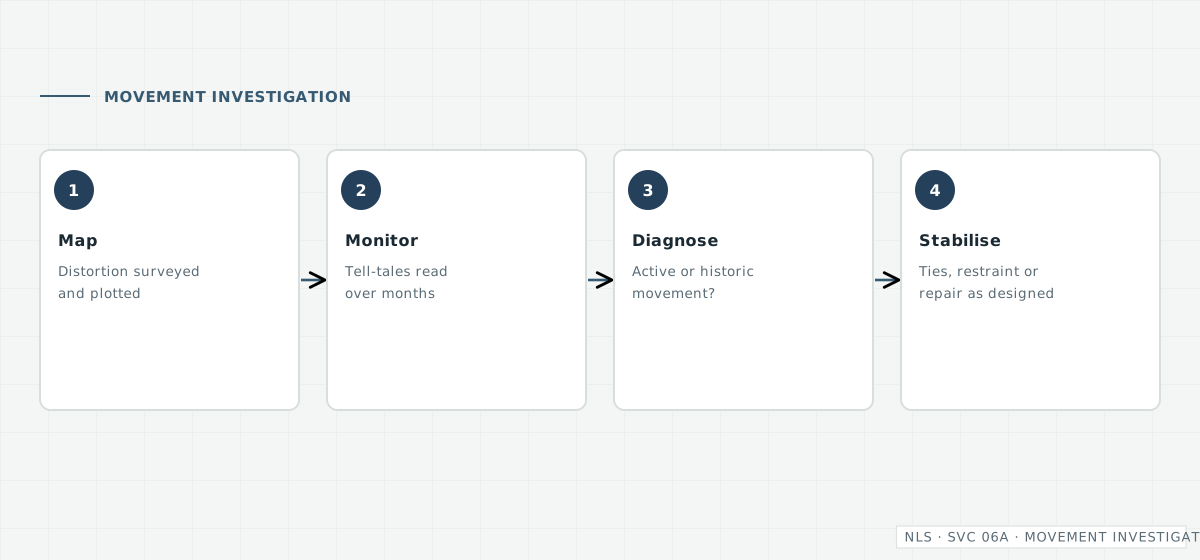
Mechanism diagnosis
Findings are matched to failure modes: tie corrosion, roof spread, restraint loss, overload, foundation movement or historic creep.
Targeted investigation
Where needed: borescope inspection of cavities and ties, opening-up at bearings, or monitoring to establish whether movement is live.
Remedial strategy
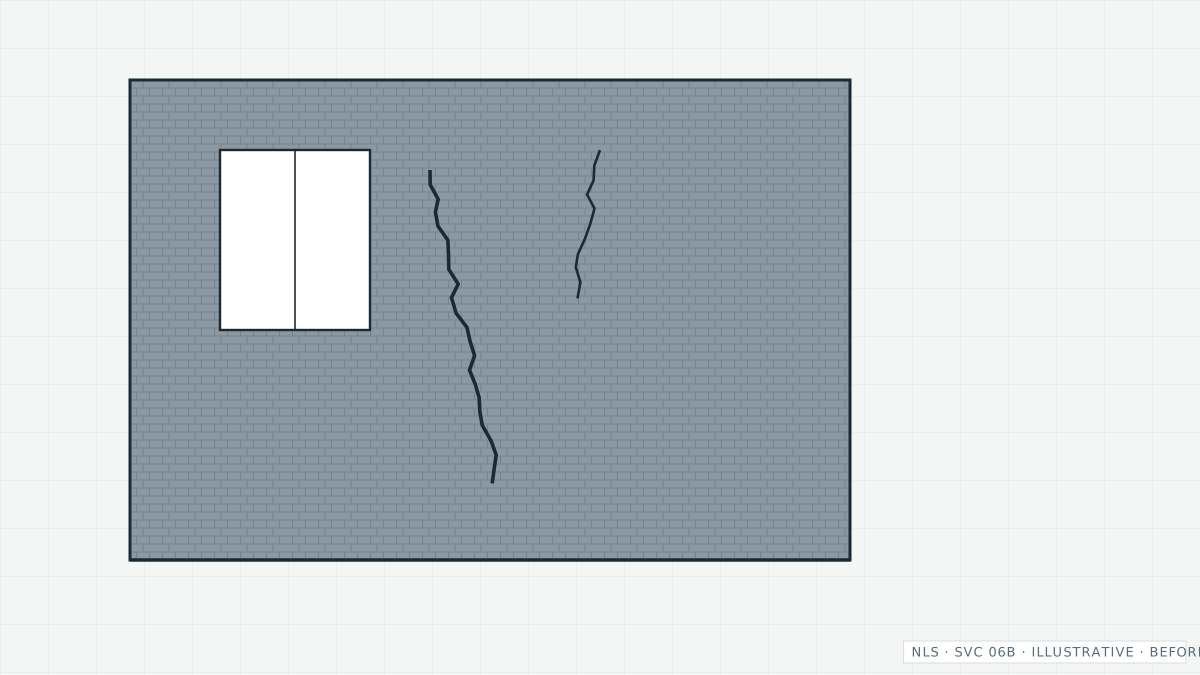
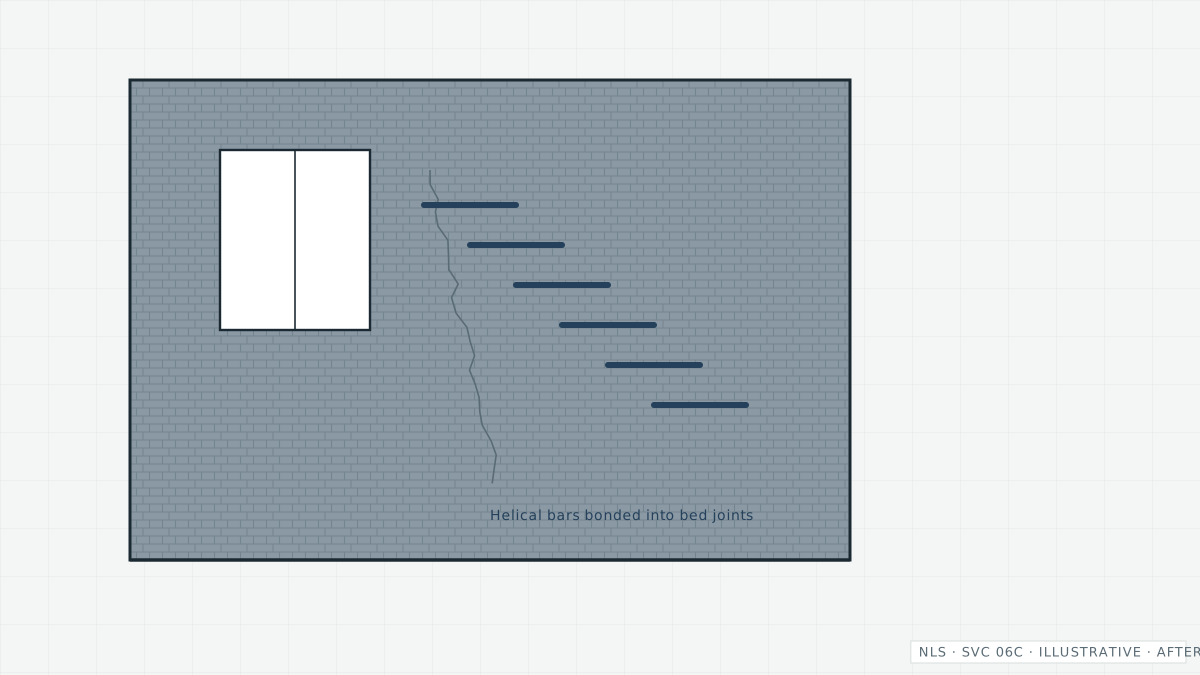
A proportionate remedy is specified — remedial ties, restraint straps, tie bars, partial rebuilding — matched to the diagnosed cause.
What you typically receive
- A measured record of the wall's condition and distortion
- A diagnosed movement mechanism
- Monitoring where live movement must be confirmed
- A remedial specification contractors can price
- Documentation for insurers, lenders or freeholders
Investigation costs
A wall movement inspection and report typically starts around £250–£600; borescope tie surveys, opening-up and monitoring add to that where required. Remedies vary enormously — remedial wall ties commonly cost £20–£40 per tie installed, restraint strapping is modest, while rebuilding a bulged panel is priced per case. All figures indicative until the mechanism is diagnosed.
Who this service is for
- Owners of visibly leaning or bulging walls
- Buyers whose survey notes walls out of plumb
- Interwar and post-war cavity-wall homeowners
- Freeholders and managing agents of converted terraces
North London property context
North London provides every variant: solid-wall Victorian terraces in Haringey and Islington with century-old lean and lost restraint; interwar cavity semis across Enfield, Barnet and Golders Green now at prime wall-tie-corrosion age; and tall flank walls on corner plots exposed to thermal ratcheting. Historic tie bars and pattress plates dotted along older streets are evidence that lateral movement — and its repair — is a long local tradition.